

Anxiety disorders are among the most common mental health challenges affecting teenagers today. While some stress and worry are a normal part of adolescence, ongoing anxiety can intensify into constant fear, physical symptoms, and avoidance behaviors. These symptoms can interfere with school performance, friendships, family life, and emotional development.
At our teen-focused mental health center in Concord, MA, we offer compassionate, evidence-based outpatient treatment designed specifically for adolescents struggling with anxiety disorders. Our teen-centered approach addresses both the emotional and physical aspects of anxiety, helping young people build coping skills, confidence, and resilience during this critical stage of life.
Continue reading to learn more about our holistic teen anxiety treatment options, and understand the signs and symptoms of anxiety disorders in adolescents. Also discover how to begin the healing process at our adolescent mental health center in Concord, MA.
Start An Outpatient Program Today
Reaching out for help is never easy, but it’s one of the most important steps you can take for your well-being. By filling out this form, you’ll be connected with caring professionals who understand what you’re going through and are ready to guide you toward the support you need. You don’t have to face this alone. Start with us today.
How We Treat Anxiety Disorders for Adolescents
At Pillars Health Group, treatment for teen anxiety disorders is grounded in compassion, clinical expertise, and individualized care. We understand that anxiety in adolescents is not simply “stress” or typical nervousness. It’s a serious mental health condition that can deeply affect emotional well-being, academic performance, relationships, and daily functioning. Our approach targets the underlying thought patterns, emotional responses, and behaviors that fuel chronic anxiety, helping teens break free from negative behaviors.
Each teen begins treatment with a comprehensive clinical assessment. Our team evaluates anxiety symptoms, emotional triggers, avoidance behaviors, and coping strategies, along with risk and protective factors. We also assess emotional regulation, family dynamics, social functioning, and any co-occurring conditions such as depression, trauma, ADHD, or substance use. This thorough evaluation allows us to develop a personalized treatment plan and recommend the most appropriate level of outpatient care.
From there, we provide a full continuum of care through our teen outpatient treatment programs. These programs support teens as they build resilience, confidence, and effective tools to manage anxiety long term.
Teen Half-Day and Teen Full-Day Outpatient Treatment Programs
Our Teen Full-Day and Teen Half-Day Outpatient Programs support adolescents with varying levels of anxiety symptoms. These programs help teens experiencing early anxiety challenges as well as those whose anxiety disrupts school, relationships, or daily functioning. Each program provides structured therapeutic care while allowing teens to remain connected to home and family.
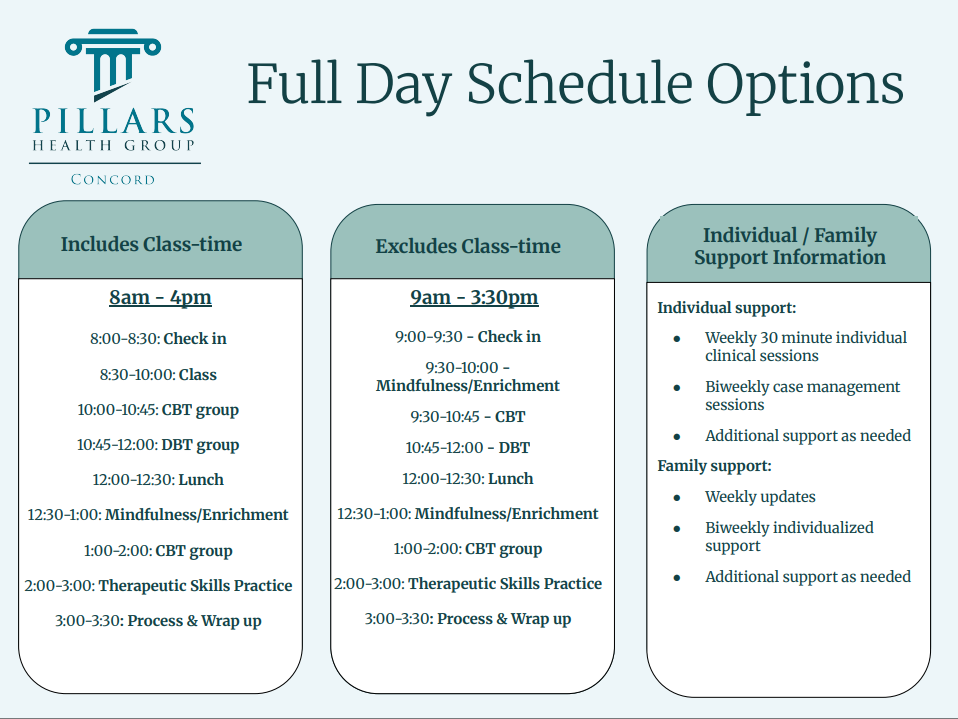
The Teen Full-Day Outpatient Program offers a highly structured treatment environment five-to-six days per week. This level of care is ideal for teens experiencing severe anxiety, frequent panic symptoms, or intense avoidance behaviors. It provides close clinical support, symptom monitoring, and intensive skill development.
The Teen Half-Day Outpatient Program meets three-to-five days per week. It is well suited for teens who need consistent anxiety treatment with flexibility for school and activities. Teens in this program can manage daily responsibilities but benefit from ongoing therapeutic support.
When neither program is the right fit, our team collaborates with families to create a personalized outpatient care plan. Each plan aligns with the teen’s symptom severity, treatment goals, and schedule.
Across all levels of care, our teen anxiety treatment programs use evidence-based therapies and psychiatric support when appropriate. Structured skill-building and peer support help teens manage anxiety, build confidence, and achieve long-term emotional stability.


Tailored Outpatient Treatment for Teens
Our outpatient teen anxiety treatment programs include individual and group therapy using evidence-based approaches like cognitive-behavioral therapy (CBT) and dialectical behavior therapy (DBT). These therapies help teens identify anxious thought patterns, manage intense emotions, and reduce avoidance behaviors. Teens learn practical coping skills to handle stress, worry, and anxiety triggers.
Family involvement is an essential part of anxiety treatment. Parents and caregivers participate in family therapy and educational sessions. This helps them understand teen anxiety and respond with support and consistency. Strong family communication plays a key role in long-term progress.
Treatment also addresses underlying factors such as self-esteem, identity development, and emotional resilience. Through therapy and psychoeducation, teens build confidence and improve distress tolerance. They develop healthier responses to fear, uncertainty, and overwhelm.
Throughout care, our clinicians collaborate closely with families to support daily functioning. Treatment aligns with academic demands, peer relationships, and routines. Our goal is to equip teens with lasting skills for emotional stability and long-term growth.
Teen Aftercare Program
Our Teen Aftercare Program supports adolescents and families transitioning from structured anxiety treatment into daily life. This phase focuses on maintaining progress, reinforcing coping skills, and managing anxiety during change.
Teens continue receiving guidance, structure, and accountability in a supportive setting. Over time, they build confidence managing anxiety independently. They practice applying coping strategies in real-world situations.
Families receive ongoing education and support throughout the aftercare process. They learn to recognize anxiety warning signs and respond with calm, effective support. This helps maintain a stable and reassuring home environment.
Even after formal treatment ends, families stay connected to Pillars Health Group. They remain part of a community focused on long-term emotional health, confidence, and well-being.
Common Types of Teen Anxiety Disorders
Anxiety disorders can affect teens in different ways, depending on the type and underlying triggers. Generalized anxiety disorder (GAD) is one of the most common in adolescents. Teens with GAD experience excessive, ongoing worry about friendships, family, school, or future events. This worry often feels uncontrollable and is accompanied by fatigue, restlessness, and difficulty concentrating.
Social anxiety disorder (SAD) frequently emerges during adolescence, when social acceptance and peer relationships become more important. Teens with social anxiety fear judgment, embarrassment, or rejection in social or performance situations. This may lead to avoidance of group activities, classes, presentations, or social events. Physical symptoms like sweating, blushing, or shaking are common in these situations.
Panic disorder and specific phobias also commonly affect teens. Panic disorder involves sudden, intense episodes of fear. It also includes physical symptoms like chest tightness or shortness of breath. Specific phobias cause intense fear of particular objects or situations, like heights, animals, or medical procedures. These conditions can severely limit a teen’s daily life without proper treatment.
Signs and Symptoms of Anxiety Disorder in Adolescents
Anxiety disorders in teens often begin gradually, with ongoing worry, restlessness, or difficulty focusing. While occasional anxiety is normal, clinical anxiety becomes concerning when symptoms are persistent and overwhelming. These symptoms can interfere with school, relationships, and daily functioning. Early recognition helps teens receive timely support and prevent long-term distress.
Common physical signs and symptoms of anxiety disorder in teens include:
- Muscle tension, shaking, or frequent body aches
- Rapid heartbeat or a racing pulse
- Shortness of breath or chest tightness
- Dizziness or feeling lightheaded
- Excessive sweating or cold, clammy hands
- Ongoing fatigue despite adequate sleep
- Stomach pain, nausea, or digestive issues
- Frequent headaches or unexplained physical pain
Common behavioral and psychological signs of anxiety disorder in teens include:
- Excessive worry that feels hard to control
- Constant restlessness or feeling on edge
- Trouble concentrating or racing thoughts
- Irritability or frequent mood changes
- Avoiding anxiety-provoking situations or activities
- Difficulty falling or staying asleep
- Panic attacks with intense fear and physical symptoms
- Fear that something bad will happen
When anxiety worsens, it can affect friendships, academic performance, and self-confidence. Without treatment, anxiety disorders may contribute to depression, isolation, and ongoing emotional challenges.
Local Anxiety Disorder Treatment for Teens in Concord, MA
If you’re a New England parent seeking teen anxiety disorder treatment for your child, you’re not alone. Pillars Health Group provides specialized outpatient care for adolescents struggling with anxiety and related emotional challenges. Treatment is offered at our teen-focused mental health center in Concord, MA.
Whether you’re noticing early anxiety signs or exploring structured outpatient care, our team is here to help. We guide families through every step of the treatment process. Care plans are individualized and focused on emotional stability and long-term wellness.
Our team can help you understand health insurance coverage for teen anxiety treatment. We offer a free, no-obligation insurance verification to review your options. This allows families to make informed decisions with less stress.
Reach out today to connect with a care coordinator and learn more about our teen anxiety programs. Take an important step toward support, confidence, and healing. Call (855) 828-0575 or complete our contact form to get started.
We treat a wide range of anxiety disorders in adolescents. These include generalized anxiety disorder (GAD), panic disorder, social anxiety disorder, and specific phobias. We also treat anxiety that occurs alongside other mental health conditions or substance-related challenges.
At Pillars, our teen outpatient anxiety program begins with a comprehensive assessment of symptoms, history, and goals. From there, we create an individualized treatment plan that fits your teen’s schedule. Care may include individual therapy, group therapy, and evidence-based approaches like cognitive-behavioral therapy (CBT) and dialectical behavior therapy (DBT). We also provide ongoing case management and aftercare planning to support long-term progress.
Medication can be a helpful part of anxiety treatment for some teens, but it is not always necessary. Treatment recommendations are based on each teen’s symptoms, needs, and goals. When appropriate, our licensed clinicians provide thoughtful, individualized medication management as part of a comprehensive care plan.
After your teen completes treatment, families are encouraged to participate in our Teen Aftercare Program. This phase of care helps teens continue practicing coping skills while transitioning back into daily routines.
The program provides ongoing peer support, therapeutic guidance, and access to helpful resources. These supports help reinforce progress and manage anxiety during times of change. Parents and caregivers gain reassurance knowing their teen remains connected to a supportive, clinically informed community focused on long-term emotional stability and resilience.
Yes, outpatient treatment can be highly effective for teens who do not need 24-hour supervision or inpatient care. Our teen anxiety outpatient programs use evidence-based therapies in a structured, supportive setting. Treatment focuses on symptom reduction, emotional regulation, and long-term coping skills. Teens can continue attending school and daily activities while receiving consistent clinical support.
If a higher level of care becomes necessary, our team works closely with families to reassess needs. Treatment plans are adjusted as symptoms change. Our full continuum of care ensures your teen receives the right level of support at every stage, prioritizing stability and ongoing emotional health.
If your teen experiences ongoing worry, fear, or anxiety that feels hard to manage, treatment may be helpful. This is especially important when anxiety interferes with school, relationships, sleep, or daily functioning. Common signs include avoidance of activities, frequent physical complaints, irritability, panic symptoms, or trouble concentrating. Teens may also appear withdrawn, overwhelmed, or overly distressed by routine situations.
If you notice these patterns persisting despite support at home, professional care can make a meaningful difference. You’re welcome to contact us for a confidential consultation and free insurance verification. Our team is here to help your family understand next steps and access timely, compassionate anxiety treatment for your teen.