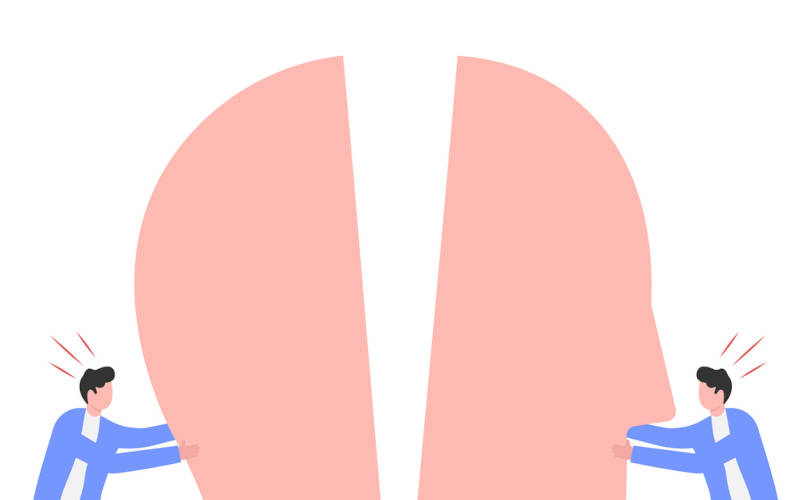
When adults experience anxiety, they typically recognize it for what it is. They notice their heart racing before a presentation, or their mind racing with worries at night. Adults can generally identify these experiences as anxiety and communicate about it. Teenagers often can’t do either.
The same conditions can look meaningfully different in adolescents, both in how they manifest and in how teens understand what they are going through. This creates a significant challenge for parents trying to recognize when their teenager needs help.
Understanding how anxiety presents differently in teenagers can help parents recognize warning signs earlier, allowing them to seek appropriate support before the condition worsens. The symptoms often differ from what parents may expect, appearing instead as anger, physical complaints, academic problems, or behavioral issues.
Why Anxiety Looks Different in the Adolescent Brain
The teenage brain is fundamentally different from the adult brain in ways that affect how anxiety is experienced and expressed. The amygdala, which processes fear and threat, is highly active during adolescence. Compared to adults, adolescents show increased activity in the amygdala when facing emotional experiences. The same holds true when teenagers attempt to regulate the emotions they experience.
Because of these differences in brain development, teens tend to experience anxiety more intensely than adults and have fewer, often less effective ways to manage intense reactions. Teens may also be more likely to hide those reactions because of social pressure to appear confident. Sometimes, obvious signs of anxiety may not appear until the effort to hide them becomes unsustainable.
How Anxiety Presents in Teenagers Versus Adults
While adults with anxiety typically report feeling worried or experiencing recognizable symptoms like panic attacks, teenagers with the same underlying condition often present differently.
- Physical complaints dominate the picture. Adults generally recognize the connection between anxiety and physical symptoms. Teenagers often do not. Anxious adolescents frequently report headaches, nausea, dizziness, chest pain, or general fatigue without understanding that these symptoms stem from anxiety rather than physical illness.
- Irritability can be just as common as worry. When adults feel anxious, they typically recognize themselves as worried or nervous. When teenagers feel anxious, they often become irritable, hostile, or quick to anger. The frequent activation of their stress response system leaves them emotionally depleted and reactive.
- Avoidance becomes more pronounced. Adults with anxiety often choose to avoid specific triggering situations. Teenagers develop broader avoidance patterns that can mimic other problems. For example, social withdrawal can look like moodiness when it stems from anxiety about peer interactions. Quitting activities may seem like a loss of interest when, in fact, anxiety has made those activities unbearable.
- Sleep and eating disruption follow different patterns. Anxious adults often report difficulty falling asleep. Anxious teenagers experience more complex sleep disruption. Some cannot sleep at night but sleep excessively during the day, using sleep as an escape from their worries. Eating patterns may also vary, with some teens losing their appetite while others eat more as a coping mechanism.
The Role of Social and Academic Pressure
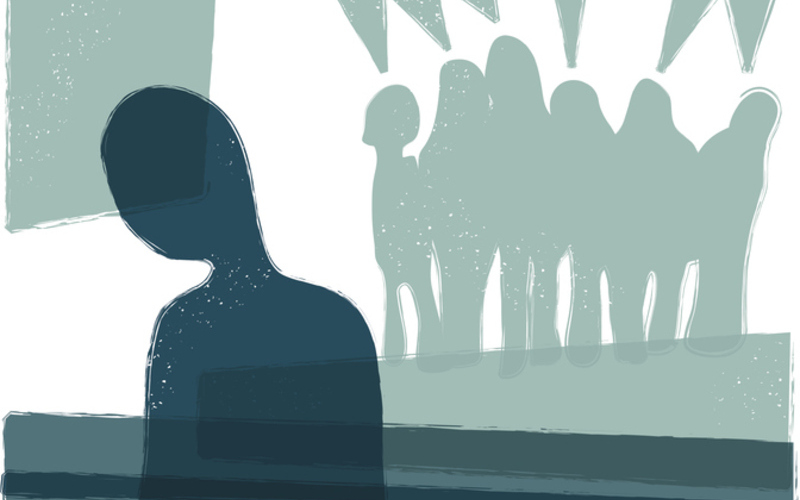
Adolescent anxiety exists within intense social and academic pressure that adults no longer face. Today’s teens face the constant presence of social media, which can amplify social anxiety in ways unique to this generation. Teens compare themselves constantly to their peers’ lives, worry about how they are perceived online, and experience genuine distress over social interactions that adults might dismiss as trivial.
Academic pressure also triggers and sustains anxiety. A single poor test result can feel devastating to an anxious teen. The increased competitiveness of college admissions can even lead teens to feel like their grades determine their entire future. These factors combine to make anxiety more prevalent in Generation Z than in any of the past three generations.
When Anxiety Requires Professional Intervention
Parents sometimes hope their teenager will outgrow anxiety, viewing it as a phase that will resolve naturally. While some stress is normal, clinical anxiety disorders do not typically resolve without intervention and can worsen over time.
Anxiety that interferes with daily functioning, narrows your teen’s world through avoidance, manifests in physical symptoms, or causes significant distress deserves professional attention. Evidence-based approaches like Cognitive Behavioral Therapy (CBT) teach anxious teenagers to recognize and challenge the catastrophic thinking patterns that fuel their anxiety, while Dialectical Behavior Therapy (DBT) provides concrete skills for managing intense emotions and distress.
These therapeutic approaches address the neurological and cognitive aspects of anxiety that parents cannot address through support alone. While parental love and understanding matter tremendously, anxiety often requires specialized intervention to change underlying patterns.
Outpatient Treatment Designed for Adolescent Anxiety
Outpatient mental health treatment allows teenagers to receive intensive professional support while remaining at home and maintaining their daily routines. This approach is particularly effective for anxiety because teens learn and practice coping skills in the environments where they need to use them.
At Pillars Health Group, our Half-Day Teen Outpatient Treatment Program in Concord, Massachusetts, provides evidence-based anxiety treatment in a format that works around school schedules. This teen intensive outpatient program includes individual counseling, group sessions with peers facing similar challenges, and family therapy that helps parents understand and respond effectively to their teen’s anxiety.
For teenagers who need more intensive support, our Full-Day Outpatient Treatment Program for teens offers structured therapeutic support throughout the day while teens continue living at home. Both programs teach practical anxiety management skills that teenagers can use immediately and throughout their lives.
Recognizing Anxiety for What It Is
If your teenager is regularly irritable, frequently complains of physical symptoms with no medical explanation, or avoids activities they used to handle comfortably, anxiety may be the underlying issue even if they do not appear conventionally anxious. A professional consultation can provide clarity about what is happening and what options might help.
Building Resilience That Lasts at Pillars Adolescent
Anxiety treatment for teenagers builds the skills and resilience they need to manage anxiety effectively rather than being overwhelmed by it. With appropriate support, teens learn to recognize their anxiety, challenge distorted thinking, and face feared situations while using coping skills. Most importantly, they learn that anxiety is manageable and that it doesn’t have to put their lives on hold.
At Pillars Health Group, we are professionals who understand the heavy toll that anxiety takes on teens and their families. We are here to help you and your teen work through these challenges, manage anxiety in healthy ways, and build the skills necessary for a healthier life.
Take the first step toward healing and happiness for your teen and your family. Contact Pillars Health Group today at 855-828-0575 for compassionate support, personalized care, and answers to your questions.