
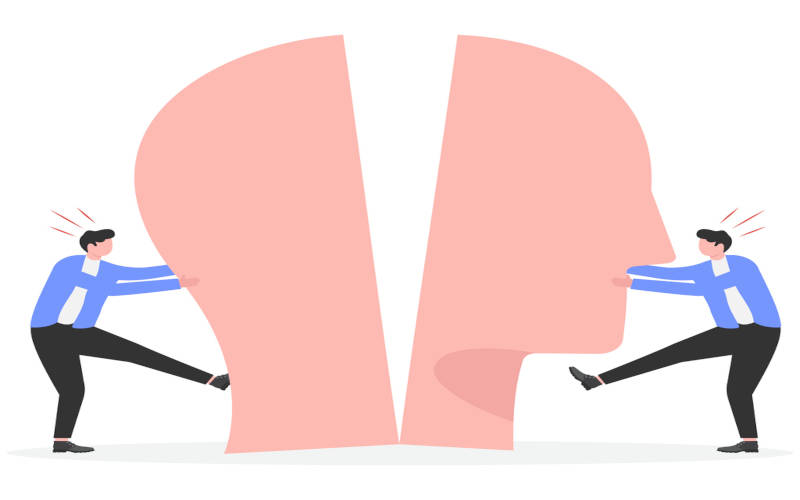
When a person struggles with both a mental health condition and a substance use disorder simultaneously, it is known as a dual diagnosis or co-occurring disorders. Dual diagnosis is more common than many people realize, and presents unique challenges for individuals, families, and treatment providers alike.
For families watching a loved one cycle through periods of instability, it can be difficult to know whether the substance use or the underlying mental health condition is driving the troubling behavior. The two are often deeply connected, making each condition harder to manage without addressing the other.
The good news is that co-occurring disorders are treatable. With an integrated approach that addresses both conditions simultaneously, individuals can achieve meaningful and lasting recovery.
What Is Dual Diagnosis?
A dual diagnosis refers to the presence of at least one mental health condition and at least one substance use disorder occurring at the same time. For example, an individual with both clinical depression and alcohol use disorder would be considered to have a dual diagnosis.
A 2024 Substance Abuse and Mental Health Services Administration (SAMHSA) survey found that more than 21 million adults in the United States had a co-occurring mental illness and substance use disorder. Many individuals receive treatment for only one condition at a time, significantly limiting the effectiveness of care.
How Mental Health and Substance Use Become Intertwined
Self-Medication
One of the most common pathways to dual diagnosis is self-medication. Those experiencing untreated mental health symptoms, such as persistent anxiety, emotional numbness, or sadness, may turn to drugs or alcohol for relief.
While substances can offer short-term relief, they do not treat the underlying condition. Over time, tolerance develops, use escalates, and mental health symptoms often worsen. This creates a cycle that becomes increasingly difficult to break without professional intervention.
Substance Use That Triggers Mental Health Symptoms
Prolonged or heavy substance use can alter brain chemistry in ways that trigger mental health symptoms. The National Institute on Drug Abuse notes that neurological changes from drug misuse make it harder to feel pleasure from naturally rewarding activities, explaining why so many feel “flat, without motivation, lifeless, depressed, and unable to enjoy things that were previously pleasurable” without substances.
Substance misuse can also worsen existing mental health conditions, such as alcohol deepening depressive episodes. While substances offer a “quick fix” to difficult feelings, they create a cycle of dependency that carries significant physical and emotional impacts in the long term. Sanford Health notes effects on “behavior, memory, cognition, and executive function” that accumulate and worsen over time, often without the individual even noticing.
Shared Risk Factors
The National Institute on Drug Abuse notes that mental health conditions and substance use disorders share common risk factors. These can include genetic predisposition, social environment, trauma, and chronic stress. Individuals vulnerable to one are often vulnerable to the other, particularly when difficult experiences go unaddressed.
Recognizing the Signs of Co-Occurring Disorders
Identifying a dual diagnosis is not always straightforward. Symptoms can overlap, mask one another, or be difficult to distinguish from the effects of withdrawal or intoxication. The symptoms of co-occurring disorders can often be a combination of the symptoms for mental health conditions and substance use disorders. The Cleveland Clinic notes that these can include:
- Substance use linked to emotional states or daily functioning. Using alcohol or drugs specifically to manage daily functioning, or to deal with feelings of anxiety, depression, or emotional pain, may indicate an underlying mental health condition.
- Extreme mood or behavior changes. Significant changes in mood or behavior, particularly when substance use and emotional distress appear to feed each other, are a strong indicator that professional support is needed.
- Withdrawal from relationships and avoidance of social activities. Social withdrawal is a symptom of multiple mental health disorders, including depression and anxiety. Substance use can compound these issues, leading to isolation or shame that fuels further avoidance.
- Tolerance, withdrawal symptoms, and failed attempts to stop using substances. Tolerance and withdrawal symptoms are signs that a substance use disorder may be present. When substance use continues despite genuine motivation to stop and significant consequences, underlying mental health factors may be making sustained recovery harder.
When these signs are present, a comprehensive evaluation by a qualified mental health professional is the most important next step.
The Components of Dual Diagnosis Treatment
When only one condition of a dual diagnosis is treated, the untreated condition continues to undermine progress. Integrated treatment recognizes that the two conditions are connected and designs care accordingly. Common elements of effective care can include:
- Cognitive-behavioral therapy (CBT), which addresses the thought patterns and behaviors contributing to both mental health symptoms and substance use
- Dialectical behavior therapy (DBT), which builds skills for emotional regulation and distress tolerance
- Trauma-informed therapy, which addresses the role that past trauma may play in both conditions
- Group therapy, which offers peer connection, shared experience, and mutual accountability
- Medication management, when appropriate, to stabilize mental health symptoms and support recovery from substance use
- Relapse prevention planning, which equips individuals with concrete strategies for managing triggers, cravings, and high-risk situations
The Role of Outpatient Treatment
Regular outpatient therapy, in conjunction with medication management when appropriate, can be highly effective in treating individuals with a dual diagnosis. For individuals who require a more intensive level of care, structured outpatient treatment programs can provide the right balance of support and real-world engagement.
Intensive outpatient programs (IOPs) offer multiple therapy sessions each week, allowing individuals to apply skills directly to their daily lives while maintaining connections to family, work, and community.
For individuals in acute crisis, or when outpatient care has not been sufficient, a higher level of care such as residential treatment may be appropriate. Decisions about the right level of care should always be made through consultation with a qualified mental health professional.
Dual Diagnosis Treatment at Pillars Health Group
At Pillars Health Group in South Portland & Tewksbury, we understand that co-occurring disorders require a coordinated, integrated approach. We incorporate medication-assisted treatment (MAT) with dual-diagnosis care that targets both conditions simultaneously, addressing addiction and mental health challenges with a whole-person approach. Our programs incorporate evidence-based therapies, group support, individualized care planning, and medication management within a model designed to promote long-term recovery.
Our Full-Day Outpatient Treatment Program offers a high level of support for individuals experiencing more significant or complex symptoms. Our Half-Day Outpatient Treatment Program provides structured therapeutic engagement with greater flexibility, allowing individuals to balance treatment with work, school, or family commitments.
Taking the First Step Toward Recovery
If you believe a loved one may be living with co-occurring disorders, the most important thing you can do is encourage them to seek a comprehensive evaluation. A dual diagnosis is treatable, and with the right integrated care, individuals can achieve genuine and lasting recovery.
Take the first step toward healing and well-being for your loved one. Contact Pillars Health Group today at 855-828-0575 for compassionate support, personalized care, and answers to your questions.