
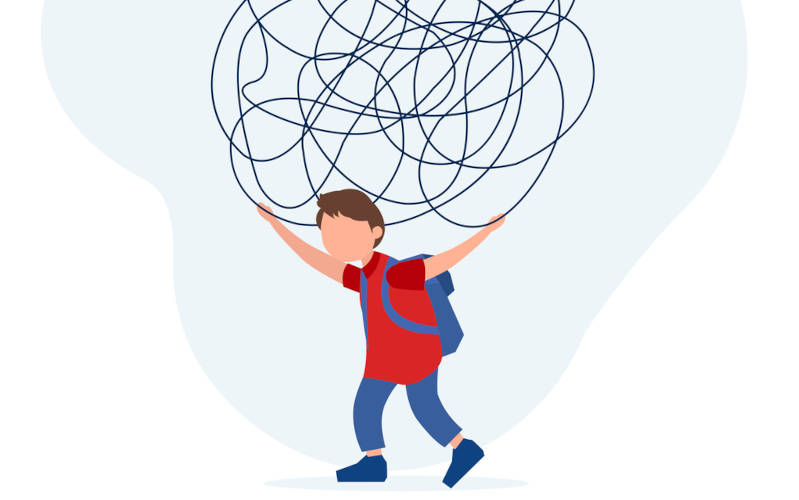
Anxiety can quietly dismantle a teenager’s confidence long before parents fully recognize what is happening. A teen who once spoke comfortably in class may suddenly avoid raising their hand. Another may stop attending social events, quit activities they previously loved, or constantly seek reassurance before making even small decisions. Some teens begin believing they are incapable, unsafe, or destined to fail, despite years of evidence to the contrary.
When anxiety becomes overwhelming, it changes how teens see themselves and the world around them. Everyday experiences begin to feel threatening. Over time, repeated avoidance and fear can erode self-esteem, independence, and trust in one’s abilities.
According to the World Health Organization, anxiety disorders are among the most common mental health conditions affecting adolescents. Without treatment, anxiety can interfere with academic performance, relationships, emotional development, and long-term well-being. Fortunately, with evidence-based treatment and consistent support, teens can rebuild confidence and regain a sense of control over their lives.
How Anxiety Damages Teen Confidence
Confidence develops through experience. Teens build self-esteem when they face challenges and discover they can handle difficult situations. Anxiety disrupts this process by convincing teens that ordinary experiences are dangerous, embarrassing, or overwhelming.
A teen with social anxiety may avoid speaking with classmates because they fear humiliation. Another may experience panic attacks that make everyday environments feel unsafe and unpredictable, leading to increased avoidance of those environments.
As avoidance increases, teens stop participating in activities that once helped them grow socially, emotionally, and academically. They begin to interpret anxiety as proof that something is wrong with them rather than recognizing it as a treatable mental health condition.
Research has associated anxiety disorders in adolescents with impaired academic, social, and family functioning, as well as an increased risk for further anxiety disorders and depression as young adults. Teens often become trapped in cycles where fear prevents action, and avoidance reinforces fear.
The Hidden Ways Anxiety Changes Behavior
Teen anxiety does not always appear as visible nervousness. Many teens work hard to hide their symptoms, which can make anxiety difficult for families to recognize. Instead, anxiety may appear through patterns such as perfectionism, irritability, withdrawal, procrastination, or emotional outbursts.
Perfectionism is especially common among anxious teens. Some become consumed with getting everything exactly right because mistakes feel catastrophic. They may spend excessive time on homework, avoid trying new activities unless they are certain they will succeed, or become extremely distressed over minor setbacks. While these behaviors may appear like high achievement on the surface, they are often driven by fear rather than confidence.
Other teens withdraw socially because interactions feel emotionally exhausting. They may stop texting friends, avoid group activities, or isolate themselves in their rooms after school. Parents sometimes interpret this behavior as laziness or disinterest when the teen is actually struggling with overwhelming anxiety and self-doubt.
Irritability can also emerge when anxiety keeps the nervous system in a constant state of tension. Teens who feel chronically overwhelmed may react strongly to small frustrations because their emotional resources are already depleted. This can create conflict within families at the exact moment support is needed most.
How Professional Treatment Can Help Teens Rebuild Confidence
Many anxious teens become highly self-critical. They may interpret anxiety as weakness, failure, or evidence that they are fundamentally different from their peers. This harsh inner dialogue often deepens feelings of shame and inadequacy.
Professional intervention, often via structured therapy, can help teens develop healthier emotional regulation skills while rebuilding self-compassion and trust in themselves. Teens learn how to manage intense emotions without becoming overwhelmed by them. They also begin understanding that anxiety is a treatable condition rather than a personal flaw. The focus is on gradually facing fears, challenging distorted thinking patterns, and developing healthier coping skills.
A wide variety of therapeutic interventions can help teens address anxiety and build self-esteem. These include:
- Cognitive-behavioral therapy (CBT). A powerful form of talk therapy, CBT can help teens identify anxious thought patterns and replace them with more realistic, balanced perspectives. Through repeated practice, teens learn to recognize that anxious thoughts are not always accurate reflections of reality. They build more positive self-talk and more constructive ways of thinking through new challenges.
- Dialectical behavior therapy (DBT). DBT is another commonly used modality to treat anxiety in teens. DBT is based on healthily managing and coping with difficult emotions and situations. This emphasis on distress tolerance and mindfulness can help teens manage the uncomfortable feelings produced by anxiety without feeling controlled by them.
- Exposure therapy. Exposure-based interventions, in which teens gradually confront avoided situations in manageable, supported ways, are another common tool for overcoming anxiety. With the guidance and support of a mental health professional, teens practice tolerating discomfort while building confidence through real-life experiences. Over time, previously avoided situations that once felt impossible become more manageable.
- Group therapy. Group therapy can also play a powerful role in helping teens rebuild confidence and overcome anxiety. Many anxious teens feel isolated or believe nobody else understands their experiences. In a supportive peer environment, teens often realize they are not alone. They practice communication skills, build social confidence, and receive encouragement from others facing similar challenges.
Helping Families Support Recovery
Parents play an important role in helping teens rebuild confidence during anxiety treatment. Families often want to protect anxious teens from distress, but excessive reassurance or accommodation can unintentionally reinforce fear and avoidance.
Through engagement with their teen’s treatment, parents can learn how to support progress without increasing dependence on anxiety-driven behaviors. Families develop healthier communication patterns and learn strategies that encourage gradual independence and resilience.
This process often involves celebrating small victories. Rather than returning all at once, confidence often develops gradually through repeated experiences where teens face discomfort and discover they can handle it successfully.
Over time, many teens begin reconnecting with interests, goals, and relationships that anxiety once disrupted. They participate more fully in school, social situations, and everyday responsibilities. Most importantly, they begin rebuilding a healthier sense of identity that is no longer centered around fear.
Rebuilding Teen Confidence at Pillars Health Group in Concord, Massachusetts
Teen anxiety is highly treatable, especially when symptoms are addressed early. With professional support, teens can learn to manage anxiety effectively while rebuilding confidence, independence, and emotional well-being.
At Pillars Adolescent, we help teens understand their anxiety while developing practical tools for long-term success. Through compassionate, individualized care, teens gain the skills needed to navigate challenges with greater confidence and resilience.
Our Full-Day Teen Outpatient Treatment Program provides comprehensive support for teens whose anxiety significantly interferes with daily functioning. For teens who need more flexibility in scheduling while still receiving structured care, our Half-Day Teen Outpatient Treatment Program offers therapeutic support while allowing a greater degree of independence.
Rebuilding Teen Confidence With Professional Support
Anxiety can feel insurmountable, but it doesn’t have to rule your teen’s life. With professional intervention and support, teens struggling with anxiety can rebuild confidence, achieve their goals, and reclaim their lives without avoidance.
Take the first step toward healing and renewed confidence for your teen and your family. Contact Pillars Adolescent today at 855-828-0575 for compassionate support, personalized care, and answers to your questions.