
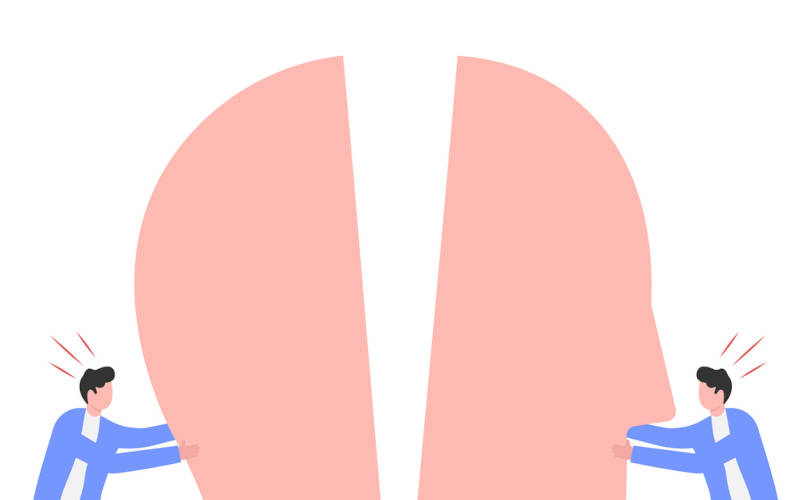
Mental health disorders can affect a person’s thoughts, emotions, behaviors, relationships, and ability to manage everyday responsibilities. Sometimes, a person experiences a mental health disorder on its own. In other cases, a mental health disorder occurs alongside a substance use disorder, creating what is commonly called a dual diagnosis or co-occurring disorder.
Understanding the difference between a mental health disorder and dual diagnosis can help individuals and families recognize when professional treatment may be needed. At Pillars Health Group, we offer treatment for mental health disorders as well as dual diagnosis, providing support for people experiencing mental health symptoms, substance use concerns, or both.
What Is a Mental Health Disorder?
A mental health disorder is a condition that significantly affects a person’s thoughts, emotions, behaviors, or functioning. Mental health disorders can range from relatively mild to severe and may be temporary, persistent, or recurring.
Common mental health disorders include depression, anxiety disorders, bipolar disorder, obsessive-compulsive disorder (OCD), post-traumatic stress disorder (PTSD), and borderline personality disorder (BPD). Attention-deficit/hyperactivity disorder (ADHD) and other conditions can also affect mental and emotional functioning.
Symptoms vary depending on the disorder. Someone with depression may experience persistent sadness, loss of interest, low energy, changes in sleep, or feelings of hopelessness. Someone with an anxiety disorder may experience excessive worry, fear, panic, physical tension, or difficulty concentrating.
Pillars Health Group offers treatment for a range of mental health disorders, with programs designed to help individuals better understand their symptoms, develop coping skills, and improve their overall functioning.
What Does Dual Diagnosis Mean?
Dual diagnosis means that a person has both a mental health disorder and a substance use disorder at the same time. The term co-occurring disorders is also commonly used to describe this situation.
For example, someone may have major depressive disorder and alcohol use disorder, or they may experience an anxiety disorder alongside problematic marijuana use. A person with bipolar disorder may also struggle with opioid or stimulant use.
Dual diagnosis can be complicated because each condition can influence the other. Mental health symptoms may contribute to substance use, while ongoing substance use can worsen mental health symptoms or make them more difficult to manage.
At Pillars Health Group, we offer dual diagnosis treatment that addresses both mental health and addiction concerns rather than treating them as completely separate problems.
How Is a Mental Health Disorder Different From Dual Diagnosis?
The primary difference is whether a substance use disorder is also present.
A person with a mental health disorder may experience symptoms related to a condition such as depression, anxiety, PTSD, bipolar disorder, or OCD without having a substance use disorder. A person with dual diagnosis experiences a mental health disorder and a substance use disorder at the same time.
This distinction matters because treatment needs can be different. Someone with depression may primarily need mental health treatment, while someone with depression and alcohol use disorder may benefit from an integrated approach that addresses both conditions.
Importantly, having a dual diagnosis does not mean that one condition is necessarily responsible for the other. The relationship between mental health disorders and substance use can vary significantly from person to person.
Why Do Mental Health Disorders and Substance Use Disorders Often Occur Together?
Mental health disorders and substance use disorders can occur together for several reasons, and there is not always one clear cause.
Some people may use alcohol or drugs in an attempt to cope with anxiety, depression, trauma, or other uncomfortable symptoms. This is sometimes referred to as self-medication. Although substances may temporarily change how someone feels, repeated use can create additional problems and may eventually lead to dependence or addiction.
Substance use can also contribute to mental health symptoms. Certain substances can worsen anxiety, depression, paranoia, mood instability, or other psychological symptoms, particularly when used frequently or in large amounts.
There may also be shared risk factors, including trauma, chronic stress, genetics, environmental influences, and changes in brain functioning. Because the relationship can be complex, professional assessment is often important when mental health symptoms and substance use occur together.
What Are the Signs That Someone May Have a Dual Diagnosis?
Signs of dual diagnosis can include symptoms of a mental health condition combined with problematic substance use.
Potential warning signs include:
- Using alcohol or drugs to cope with emotional distress
- Increased substance use when experiencing depression, anxiety, or stress
- Difficulty controlling substance use
- Continuing to use substances despite negative consequences
- Significant mood changes or emotional instability
- Withdrawal from family, friends, work, or school
- Declining performance at work or school
- Changes in sleep, appetite, or daily routines
- Experiencing mental health symptoms that worsen after substance use
- Repeated attempts to stop using substances without success
- Experiencing both psychiatric and substance-related problems at the same time
These signs do not automatically mean that someone has a dual diagnosis. A professional assessment can help determine what conditions may be present and what level of treatment is appropriate.
Why Is Integrated Treatment Important for Dual Diagnosis?
Integrated treatment is important because treating only one condition may leave the other unaddressed.
For example, someone may receive treatment for depression but continue using substances to cope with difficult emotions. Alternatively, someone may focus on stopping substance use without receiving appropriate support for an underlying anxiety disorder or trauma-related condition.
Dual diagnosis treatment considers both concerns as part of the individual’s overall treatment needs. Depending on the person and their circumstances, treatment may involve behavioral therapies, psychiatric care, medication management, psychoeducation, coping-skills development, relapse-prevention strategies, and group support.
At Pillars Health Group, we offer treatment for both mental health disorders and dual diagnosis, helping individuals address the factors affecting their emotional well-being and recovery.
Can Someone Have a Mental Health Disorder Without Having a Dual Diagnosis?
Yes, a person can have a mental health disorder without having a substance use disorder.
For example, an individual may have generalized anxiety disorder, major depressive disorder, OCD, PTSD, or bipolar disorder without misusing alcohol or drugs. In these situations, treatment can focus specifically on the mental health condition and the symptoms affecting the individual’s life.
However, mental health and substance use should still be considered during an assessment because symptoms can overlap. Substance use can sometimes produce or worsen psychological symptoms, making professional evaluation especially important when there is uncertainty about what is causing a person’s difficulties.
Can Someone With Dual Diagnosis Recover?
Yes. People with co-occurring mental health and substance use disorders can make meaningful progress with appropriate treatment and ongoing support.
Recovery may involve learning healthier ways to manage emotions, identifying triggers, developing coping strategies, addressing substance use, improving relationships, and managing mental health symptoms. Treatment plans should be individualized because dual diagnosis can look different from one person to another.
Recovery is not necessarily a straight line. Continued support, relapse-prevention planning, and appropriate mental health care can help individuals maintain progress over time.
When Should Someone Seek Treatment for a Mental Health Disorder or Dual Diagnosis?
Professional treatment may be appropriate when mental health or substance use symptoms interfere with daily life, relationships, work, school, or overall well-being. Treatment may also be helpful when symptoms are becoming more frequent or severe, attempts to manage them independently have not worked, or substance use is creating significant consequences.
Someone does not have to wait for their symptoms to become severe before seeking help. Early treatment can provide an opportunity to identify concerns, understand what is contributing to them, and develop strategies for moving forward.
How Can Pillars Health Group Help With Mental Health Disorders and Dual Diagnosis?
Pillars Health Group is a mental health and addiction treatment facility offering treatment for mental health disorders and dual diagnosis. Our programs are designed to help individuals address emotional, behavioral, and substance use concerns while developing practical skills that support long-term recovery.
Pillars Health Group has three locations:
- 890 East Street, Tewksbury, MA 01876
- 707 Sable Oaks Drive, Suite 010, South Portland, ME 04106
- 80-1 Beharrell Street, Concord, MA 01742 — teen/adolescent treatment only
If you or a loved one is struggling with a mental health disorder, substance use, or both, you do not have to determine the right type of treatment alone. Contact Pillars Health Group at (855) 828-0575 to learn more about mental health disorder and dual diagnosis treatment and discuss available options.