
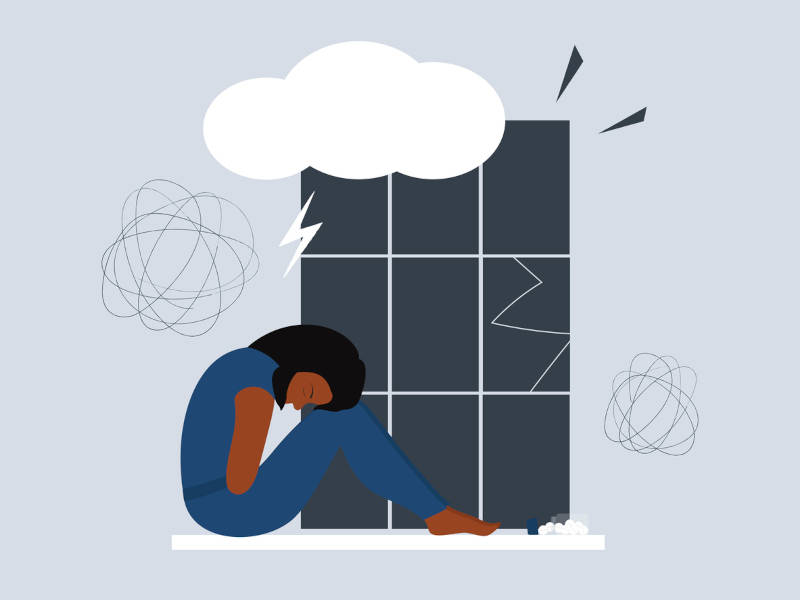
Few things are more distressing for a parent than wondering whether their teenager may be experiencing suicidal thoughts. When a teen is struggling at this level, it’s natural to feel uncertain about how to respond and best protect their well-being. Many parents worry that saying the wrong thing or acting too quickly might make things worse. However, offering care and support does not have to feel overwhelming.
By learning how to recognize warning signs, initiate a conversation, and seek professional help, parents can support their teen and help keep them safe in a time of crisis.
How Common Are Suicidal Thoughts in Teens?
Suicidal ideation, which includes thinking about, considering, or planning suicide, is not rare among teens. According to the American Foundation for Suicide Prevention (AFSP), suicide is the second leading cause of death among young people ages 15 to 34 in the United States. In fact, the Centers for Disease Control and Prevention (CDC) note that as many as 1 in 5 high school students reported seriously considering a suicide attempt in 2023.
These numbers reflect a crisis of unaddressed mental health needs. Depression, anxiety, trauma, social isolation, and academic pressure are among the many factors that can contribute to suicidal thinking in adolescents.
Recognizing the Warning Signs of Suicidal Ideation
Suicidal thoughts are not always expressed directly. Many teens signal their distress in ways that are easy to misread as ordinary teenage behavior. AFSP identifies several warning signs that warrant attention from parents and caregivers.
Behavioral changes are often the most visible indicators of suicidal ideation, especially when related to a recent loss or painful event. A teen who withdraws from friends and activities they previously enjoyed, displays uncharacteristic aggression, or shows significant fatigue may be experiencing a mental health crisis. Similarly, giving away meaningful possessions, misusing drugs and alcohol, or saying goodbye in ways that feel final can all indicate crisis.
Verbal cues deserve attention even when delivered indirectly. If teens talk openly about death, dying, feeling trapped, or feeling like a burden, these are all signs that swift professional support is necessary. The National Alliance on Mental Illness (NAMI) notes that joking about suicide should not be dismissed, especially when accompanied by other behavioral signs.
AFSP notes that other signs of suicidal ideation can include increased substance use, risky or reckless behavior, or dramatic mood swings. No single indicator is definitive, but a pattern of changes, especially following a significant loss or trauma, merits prompt attention.
Talking to Your Teen About Suicidal Thoughts
It’s not easy to broach the topics of mental health or suicidal ideation with a struggling teen. The first step is to find an appropriate time and place to have a discussion when they feel comfortable. This may be during a shared activity, such as chores or watching television together.
When beginning a conversation about your teen’s mental health, the Mayo Clinic notes that active listening and offering support are crucial. NAMI further points out that parents sharing their own experiences and struggles can be more productive than trying to immediately “fix” the problem, as tempting as that may be. Sharing this vulnerability and validating the teen’s feelings can be key to establishing trust.
Once a teen is comfortable discussing their feelings, many parents hesitate to ask directly whether they are thinking about suicide. However, research has shown that asking about suicide does not make it more likely. Instead, NAMI writes, asking a direct question such as, “Have you ever felt bad enough that you’ve thought of hurting yourself?” can encourage teens to share their experience openly.
Depending on a teen’s answers, parents can determine whether their teen has actively considered or developed a suicide plan. If either of these is the case, immediate professional help is warranted. Asking further questions and expressing concern can help parents understand the struggles their teen is facing and form a plan to access professional care promptly.
The 988 Suicide & Crisis Lifeline is available 24 hours a day, seven days a week, by call or text at 988. It serves both individuals in crisis and the people who care about them. Parents seeking guidance on how to approach a difficult conversation with their teen can reach out for support. They can also consult NAMI’s Suicide Prevention resources and Healthy Children’s in-depth guide.
What Not to Do When Discussing Suicide
Parents often worry most about the wrong things. Asking about suicide does not cause it. What can cause harm, however, is a response that leaves a teen feeling judged, dismissed, or more alone than before.
Reacting with shock, anger, or disbelief, even when those emotions are understandable, can cause a teen to shut down and withhold future distress. Ultimatums, expressions of disappointment, or statements that frame suicidal thoughts as a burden on the family can reinforce the beliefs that contribute to suicidal thinking. Minimizing the pain by comparing it to that of others can also communicate that their teen’s experience is not valid.
Reducing Access to Means
Healthy Children notes that one of the most evidence-based strategies in suicide prevention is reducing a teen’s access to lethal means during a period of crisis. Because suicidal crises are often impulsive and time-limited, barriers between a person and the means of suicide can save lives.
For families with firearms in the home, temporarily removing guns from the home entirely during a period of crisis is one of the most protective steps a parent can take. Medications, including over-the-counter pain relievers, should also be stored safely and out of easy reach. The same applies to other potentially lethal substances and tools. These measures are about reducing risk during a vulnerable period, not about distrust.
The Role of Professional Treatment
When a teen is experiencing suicidal thoughts, professional support is essential. Suicidal ideation is a clinical symptom that responds to treatment. Early intervention can make a significant positive difference in addressing suicidal ideation and related mental health conditions.
A mental health evaluation is the appropriate first step when a parent suspects or discovers that their teen is struggling with suicidal thoughts. If there is immediate danger, whether in the form of a specific plan, access to means, or a prior attempt, emergency services or a visit to a hospital emergency department are necessary. For teens who are not in acute danger but are clearly struggling, an outpatient therapist, psychologist, or psychiatrist who specializes in adolescents can provide the structured care they need.
In addition to an evaluation of the teen’s mental health, Healthy Children recommends developing a suicide prevention safety plan. This includes a personalized set of steps, people to contact, and coping strategies that teens can use during moments of crisis.
In terms of therapeutic intervention, cognitive-behavioral therapy (CBT) and dialectical behavior therapy (DBT) have strong evidence bases for helping adolescents who are experiencing suicidal ideation. In some cases, medication may also be recommended alongside therapy.
Protective Factors That Make a Difference
Just as certain factors increase risk for suicide, others provide meaningful protection. The Suicide Prevention Resource Center identifies strong family connections, access to mental health care, and a sense of belonging as some of the most significant protective factors for adolescents.
Parents do not need to be perfect, just present. Teens who believe that at least one adult in their life cares deeply about them are more likely to ask for help. Maintaining open communication, monitoring for warning signs, and taking emotional pain seriously are practices that build the kind of relationship that keeps teens safer over time.
Support for Struggling Teens at Pillars Adolescent in Concord, Massachusetts
At Pillars Adolescent, we offer outpatient treatment programs designed to meet the unique needs of adolescents facing depression, suicidal ideation, and other mental health challenges. We’re located at 80-1 Beharrell Street in Concord, Massachusetts.
We deliver structured, intensive care that addresses depression, suicidal ideation, and the broader emotional factors that shape a teen’s well-being. This is accomplished through a combination of evidence-based approaches, including CBT, DBT, and trauma-informed therapy, across individual and group settings. We offer both full-day and half-day program options depending on an individual’s needs.
Support and Connection as Foundations for Recovery
A teen in the grip of suicidal thoughts may feel utterly alone, even when surrounded by people who love them. However, recovery is possible. With sustained family support, early intervention, and appropriate treatment, teens who struggle with suicidal thoughts can go on to build full, happy lives. The first step is making sure they do not have to face the struggle alone.
Take the first step towards healing and happiness for your teen and your family. Contact Pillars Adolescent at 855-828-0575 for compassionate support, personalized care, and answers to your questions.