
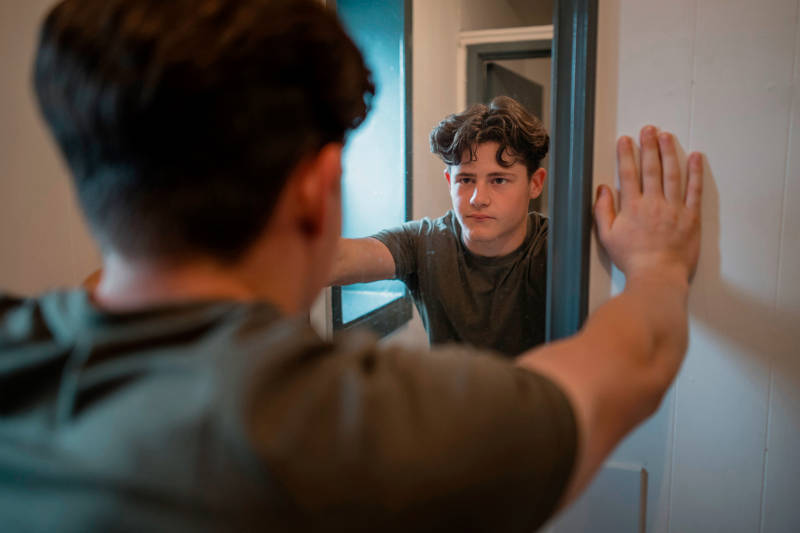
Most teenagers feel unsure about their appearance at one point or another, with almost 46% of American adolescents expressing dissatisfaction with their bodies. Social comparisons are everywhere while self-image is still forming. For many teens, these worries come and go without causing lasting harm.
For others, body image concerns settle in and start to shape daily life. Self-consciousness can grow into something that affects a teen’s mood, relationships, and health. Parents who understand the difference are better prepared to get their teen the right kind of support.
What Body Image Struggles Look Like in Adolescents
Body image concerns can center on weight, shape, skin, height, or any feature a teen doesn’t feel comfortable with. Pressure can come from peers, family comments, sports, and the steady stream of curated images teens see online. Most teens move through these feelings without them taking over daily life. However, when worry over appearance becomes constant or starts driving behavior, it can signal a deeper-seated mental health issue.
UNICEF notes several signs that a teen is struggling with their body image:
- Frequent negative comments about their own appearance
- Developing new rules or engaging in trends around diet or exercise
- Worrying excessively about weight
- Withdrawing from social plans tied to appearance, or those that may get in the way of an exercise schedule
When Body Image Issues Escalate
The challenge for parents is knowing when body image worry has moved past a normal, if uncomfortable, part of growing up. Several patterns suggest a teen’s body image concerns have become a greater issue that may require professional care.
The Mayo Clinic describes body dysmorphic disorder (BDD) as an intense focus on a perceived flaw that causes significant distress and interferes with daily functioning. This fixation often drives repetitive behaviors, like mirror-checking or reassurance-seeking.
The Mayo Clinic notes that other signs of body dysmorphic disorder can include:
- Checking the mirror, or avoiding it entirely, for long stretches each day
- A strong belief that one has an appearance defect that makes them ugly
- The belief that other people notice and mock one for their appearance
- Skipping school, work, or social events because of appearance worries
- Constant comparisons to the appearance of others
- Using makeup, clothing, or posture to hide a perceived flaw
Any signs of self-harm, disordered eating behaviors, or expressions of hopelessness are urgent. These signal that a teen needs professional support right away, not just a family conversation.
How Body Image Struggles Interact with Depression and Anxiety
Body image struggles rarely stay contained to how a teen feels about their appearance. Left unaddressed, they can feed into other mental health conditions or exist alongside ones already present. Teens with persistent body image struggles often experience low self-worth, social withdrawal, and heightened self-criticism associated with anxiety and depression.
Body image dissatisfaction is highly linked to anxiety disorders in adolescents. Adolescents with a high level of body image dissatisfaction were found to have a greater risk of generalized anxiety disorder, panic disorder, and social anxiety disorder symptoms. They also showed a much higher chance of school avoidance.
Similar findings have linked body image dissatisfaction to depression. Adolescents who were unhappy with their perceived excessive weight show a much higher risk of depressive symptoms when compared to their peers.
Body dissatisfaction is also a well-documented risk factor for disordered eating. Research summarized by the National Alliance for Eating Disorders shows body image disturbance is part of the diagnostic picture for several eating disorders and can help maintain them once they take hold.
What Parents Can Do to Support a Teen Struggling with Body Image
When a parent notices signs of a body image struggle, the first step is opening a conversation without judgment. Many teens feel embarrassed or ashamed about these thoughts and may go to great lengths to hide them. Letting a teen know these feelings are common and that support is available can lower the barrier to talking about it.
Parents can also look at how appearance is discussed at home. Comments about weight or looks can reinforce the idea that a person’s value is tied to how they look. UNICEF recommends that parents model respect for their own bodies by limiting criticism and negative comments.
Cutting back on social media use has been linked to teens feeling better about their weight and appearance. Research from the American Psychological Association (APA) showed that teens who reduced their social media use by 50% for just a few weeks experienced significant improvements in their body image. Parents can work with their teen to develop strategies for decreasing use and developing a healthier relationship with social media. UNICEF advises a social media “reset” and finding accounts that celebrate body diversity.
When parents have concerns, a consultation with a pediatrician or primary care provider is a reasonable place to start. Clinicians familiar with adolescent development can help assess whether a teen’s body image concerns warrant further evaluation and can refer families to mental health specialists when needed.
Clinical Support for Body Image Concerns
Seeking support for body image issues early can change the course of a teen’s mental health for years to come. Effective treatment for body image struggles typically involves structured therapeutic approaches that help teens challenge distorted thinking and build a healthier relationship with their bodies.
Evidence-based approaches may include cognitive-behavioral therapy (CBT), which helps teens identify and shift unhelpful thought and behavior patterns tied to appearance. Psychology Today notes CBT-based strategies can help teens challenge the extreme thinking that fuels body-related distress. CBT is also supported as an effective treatment for BDD in addition to medication, when appropriate.
Group therapy can also be meaningful for teens navigating body image struggles. Structured group settings help teens feel less alone in their experience and give them a chance to process appearance-related pressure alongside peers facing similar challenges.
Professional Treatment for Teens at Pillars Adolescent in Concord, Massachusetts
At Pillars Adolescent, we help teens with body image and related mental health struggles develop self-esteem and sustained wellness. Our teen outpatient treatment programs are offered at 80-1 Beharrell St, Concord, Massachusetts.
Our Full-Day Teen Outpatient Treatment Program provides intensive, structured support for teens whose body image struggles are significantly affecting daily life. For teens who need ongoing clinical support with more scheduling flexibility, our Half-Day Teen Outpatient Treatment Program offers a format that fits readily into school and family life.
We provide evidence-based modalities, including CBT and dialectical behavior therapy (DBT), delivered through a combination of individual and group sessions. These approaches help teens challenge distorted beliefs about their appearance, reduce compulsive behaviors, tolerate distress, and develop healthier ways of coping with anxiety and self-criticism.
Helping Teens Build a Healthier Self-Image
Teens who struggle with their body image can build a more compassionate relationship with themselves and their bodies. The right professional support can help teens let go of unhealthy obsessions and behaviors that reinforce negative beliefs about the body. Teens can develop confidence and self-worth rooted in who they are, enabling them to reconnect with the parts of life that matter most.
Take the first step toward healing and happiness for your teen and your family. Contact Pillars Adolescent today at 855-828-0575 for compassionate support, personalized care, and answers to your questions.