
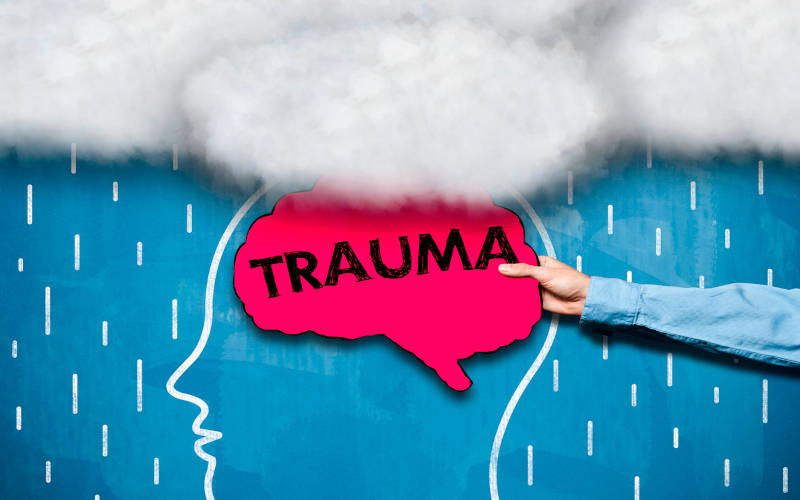
Trauma is one of the most significant and misunderstood contributors to mental health challenges. Whether it stems from a single overwhelming event or prolonged exposure to distressing circumstances, trauma can have lasting effects on how a person thinks, feels, and lives their daily life.
Trauma’s impact is not always immediate or obvious. Some individuals experience symptoms right away, while others may not notice significant changes until weeks, months, or even years later. Regardless of when symptoms appear, trauma can influence emotional wellbeing, physical health, relationships, and overall quality of life.
What Is Trauma?
Trauma refers to the emotional and psychological response to an event or series of events that are deeply distressing or overwhelming. While many people associate trauma with catastrophic events such as natural disasters or serious accidents, trauma can result from a wide range of experiences.
Examples of potentially traumatic experiences include:
- Physical, emotional, or sexual abuse
- Neglect during childhood
- Domestic or family violence
- Military combat
- Serious accidents or injuries
- Medical trauma
- The sudden loss of a loved one
- Bullying or harassment
- Community violence
- Living through natural disasters
Not everyone responds to the same event in the same way. An experience that is traumatic for one person may not have the same effect on someone else. Factors such as previous experiences, support systems, age, and individual resilience all play a role in how trauma affects a person.
Common Mental Health Effects of Trauma
Trauma can affect nearly every aspect of mental health. Symptoms vary widely, but some of the most common psychological effects include:
Anxiety
Many people who have experienced trauma develop persistent anxiety. This may involve excessive worry, panic attacks, hypervigilance, difficulty relaxing, or feeling constantly on edge.
Depression
Trauma can contribute to feelings of sadness, hopelessness, guilt, loss of motivation, and emotional numbness. Some individuals may lose interest in activities they once enjoyed.
Post-Traumatic Stress Disorder (PTSD)
PTSD is a mental health condition that may develop after experiencing or witnessing a traumatic event. Symptoms often include intrusive memories, flashbacks, nightmares, avoidance of reminders, heightened emotional reactions, and difficulty sleeping.
Difficulty Regulating Emotions
Trauma can make it challenging to manage emotions effectively. People may experience mood swings, irritability, anger, emotional numbness, or overwhelming feelings that seem difficult to control.
Relationship Challenges
Trauma often affects trust, communication, and emotional intimacy. Some individuals withdraw from others, while others may struggle with conflict or maintaining healthy boundaries.
Substance Use
Some people attempt to cope with trauma through alcohol or drug use. While this may temporarily numb emotional pain, it often worsens mental health over time and can lead to additional challenges.
Physical Symptoms of Trauma
Trauma does not only affect the mind. It can also have significant physical effects because the body’s stress response remains activated.
Common physical symptoms include:
- Fatigue
- Headaches
- Digestive problems
- Muscle tension
- Chronic pain
- Sleep disturbances
- Increased heart rate
- Difficulty concentrating
These symptoms may persist even after the traumatic event has ended.
Why Trauma Affects People Differently
Several factors influence how trauma impacts mental health, including:
- The severity of the event
- Whether the trauma occurred once or repeatedly
- The person’s age when the trauma occurred
- Previous trauma history
- Available social support
- Individual coping skills
- Existing mental health conditions
There is no “right” or “wrong” way to respond to trauma. Every person’s experience is unique.
Healing After Trauma
Recovery from trauma is possible. While healing often takes time, many people experience significant improvement with appropriate support and treatment.
Effective approaches may include:
- Individual therapy
- Trauma-focused cognitive behavioral therapy (TF-CBT)
- Eye Movement Desensitization and Reprocessing (EMDR)
- Medication when appropriate
- Support groups
- Mindfulness and stress management techniques
- Healthy lifestyle habits including sleep, nutrition, and exercise
Seeking professional help does not mean someone is weak. Rather, it reflects a commitment to healing and improving long-term wellbeing.
When to Seek Help
Consider speaking with a mental health professional if trauma-related symptoms:
- Persist for more than several weeks
- Interfere with work, school, or relationships
- Cause significant emotional distress
- Lead to substance misuse
- Include thoughts of self-harm or suicide
Early intervention can reduce the long-term impact of trauma and improve overall recovery.
Final Thoughts
Trauma affects people in complex ways, influencing emotional, psychological, and physical health. Although the effects can be significant, recovery is possible with appropriate support, evidence-based treatment, and time. Understanding trauma is an important first step toward healing, both for those directly affected and for the people who support them.