
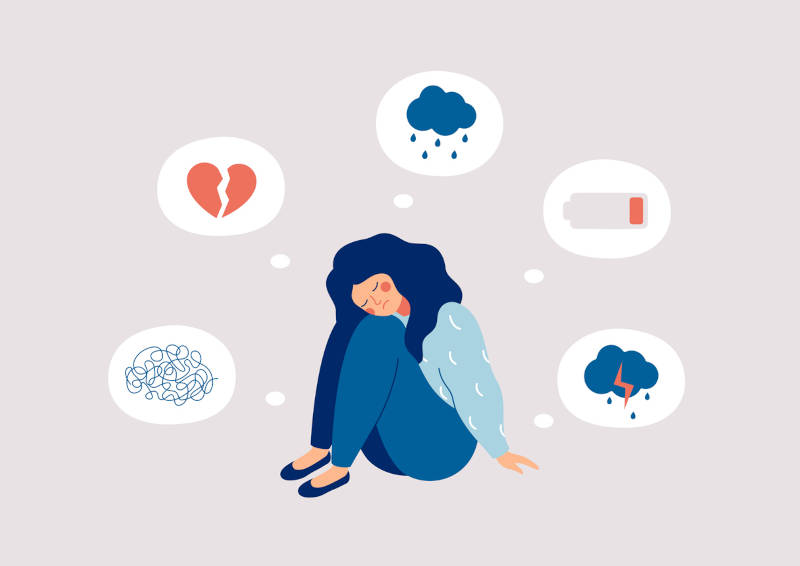
Countless factors shape a teenager’s mental health. When a teen is struggling emotionally, it’s easy to focus on the obvious external causes like life events or relationship challenges. A teen’s lifestyle factors, such as sleep, physical activity, nutrition, and stress management, are easily forgotten. But these create the conditions in which the brain and body function. When these foundations are strong, they can support emotional well-being. When they are neglected, they can make emotional challenges harder to manage.
Lifestyle factors are not a substitute for professional treatment. For teens dealing with clinical depression, anxiety, or trauma, evidence-based care remains the foundation. But lifestyle factors can meaningfully influence the severity of a teen’s symptoms and the effectiveness of treatment. Families who understand this are better positioned to support their teen’s progress both inside and outside of treatment.
Physical Activity and Emotional Regulation in Teens
The relationship between physical activity and mental health is well established. Regular exercise increases the availability of neurotransmitters that regulate mood. It also reduces cortisol, the body’s primary stress hormone.
A large-scale review of scientific studies by Cochrane found that exercise may rival medication in its ability to lower depressive symptoms. Harvard Health notes similar powerful benefits of exercise for managing anxiety. In addition to releasing mood-boosting chemicals in the brain, exercise activates brain regions responsible for emotional regulation.
Exercise does not need to be intense or structured to be beneficial. What matters most is consistency and finding forms of movement a teen can sustain. That is far more likely when the activity feels enjoyable rather than prescribed. A teen who genuinely looks forward to a weekly sport or a daily walk is getting more long-term benefit than one who grudgingly follows a fitness plan.
Sleep and the Adolescent Brain
Sleep deprivation is one of the most “hidden” contributors to adolescent mental health difficulties. Teens require between eight and ten hours of sleep per night for healthy brain development and emotional regulation, yet most fall well short of that. Chronic sleep loss directly impairs brain regions responsible for impulse control and emotional responses. Without sufficient sleep, strong emotions become harder to manage.
Adolescent biology shifts the natural sleep cycle later. This makes it genuinely difficult for most teens to get enough sleep, especially given most early school start times. The American Academy of Pediatrics has even identified insufficient adolescent sleep as a public health problem. Setting a consistent sleep schedule, establishing good sleep hygiene, and limiting screen use in the hour before bed are some practical steps families can take. These changes are not dramatic, but their cumulative effect on mood and emotional stability can be substantial.
Nutrition Links to Mental Health
The connection between what teens eat and how they feel is more direct than many families realize. The gut and brain are in constant communication, with John Hopkins Medicine noting the strong connection between the two and its impact on emotional health. Diets high in processed foods and refined sugars have been associated with higher rates of depression. Whole foods support the brain’s ability to regulate mood and respond to stress.
Conversations about diet with teens require care. Adolescence is a vulnerable period during which disordered eating can develop. A restrictive or appearance-focused framing of diet can do real harm. The goal is adequate nourishment to support brain and physical health. John Hopkins Medicine offers helpful tips on talking to your teen about nutrition and establishing healthier eating habits.
Chronic Stress and the Developing Brain
Some stress is a normal part of adolescent development. The kind that causes clinical concern is chronic, meaning ongoing pressure without adequate recovery time. Over time, this keeps the body’s threat-response system in a state of activation. Harvard Health notes the strong links between chronic stress and mental health conditions like depression and anxiety.
Academic pressure, social conflict, and constant digital connectivity can all contribute to chronic stress in contemporary adolescents. Helping teens identify their primary stressors and protect regular recovery time in their days is a meaningful goal. Recovery might look like time outdoors, a creative outlet, or simply an evening without a device.
Social Connection as a Protective Factor
Psychology Today notes that positive social relationships are highly protective for an adolescent’s mental health. Meaningful relationships protect against depression and support resilience when difficulties arise. Isolation works in the opposite direction. It is both a symptom and a driver of many mental health conditions. Teens who are struggling often pull back from the relationships that would most help them because depression and anxiety make connection feel more difficult.
Professional mental health treatment can help teens rebuild that social engagement. Families can support this by paying attention to the quality of connections in a teen’s life rather than the quantity. One or two relationships in which a teen feels genuinely understood can be more protective than a broader social network in which that depth is missing.
How Lifestyle Support Is Integrated at Pillars Adolescent in Concord, Massachusetts
At Pillars Adolescent, we understand that lasting recovery depends on more than what happens in therapy sessions. The daily environment a teen returns to can reinforce the skills they are building in treatment or make that progress harder to sustain. That’s why our teen outpatient treatment programs incorporate personalized treatment plans for each teen’s unique needs, based on a thorough biopsychosocial assessment. We’re located at 80-1 Beharrell Street in Concord, Massachusetts.
Our Full-Day Teen Outpatient Treatment Program and Half-Day Teen Outpatient Treatment Program both provide structured support while keeping teens connected to their families and communities. We deliver evidence-based care, including cognitive behavioral therapy and dialectical behavior therapy, across both individual and group settings. This comprehensive approach helps teens develop the emotional regulation and coping skills that make healthy lifestyle habits more sustainable.
Building a Lifestyle That Supports Recovery and Growth
Mental health treatment works best when it attends to the whole person. The daily conditions in which a teen lives are part of the foundation for emotional well-being. When that foundation is unstable, even excellent therapy has more to work against. When it is supported, treatment gains are more likely to last.
Families do not need to change everything at once. Small, sustainable shifts in one or two areas can make a real difference in how a teen feels day to day. Over time, those positive changes accumulate to form a strong basis for recovery and growth.
Take the first step toward healing and happiness for your teen and your family. Contact Pillars Adolescent today at 855-828-0575 for compassionate support, personalized care, and answers to your questions.