
Why Early Mental Health Intervention Can Change a Teen’s Future
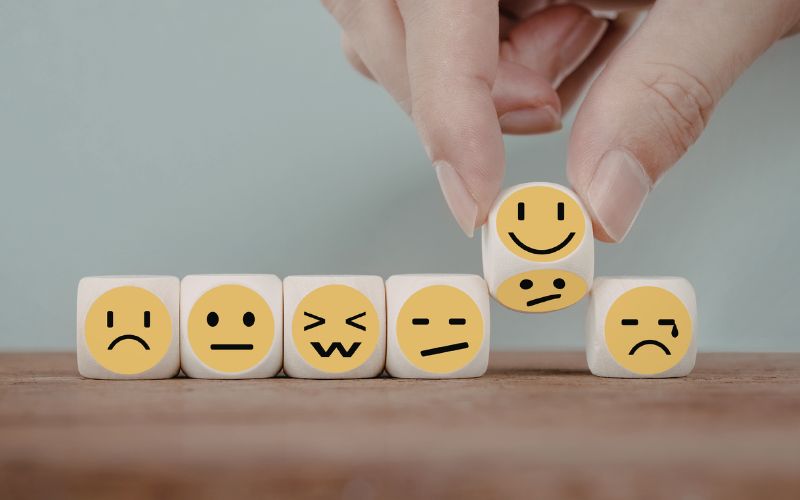
Parents who notice troubling changes in their teenager often wrestle with the same question: Is this serious enough to seek professional help, or should we wait to see if it resolves on its own? The instinct to wait is understandable. No one wants to overreact, label their child unnecessarily, or involve them in treatment they […]
Returning to School After Teen Mental Health Treatment

When a teenager completes a mental health treatment program, parents often experience a complicated mix of relief, hope, and lingering concern. The progress their child has made is real and meaningful, but so is the uncertainty about what comes next. Returning to school after teen mental health treatment is a significant transition, and it is […]
Why Emotional Regulation Skills Matter for Teen Mental Health

When parents watch their teenager react to disappointment with intense anger, shut down completely when overwhelmed, or spiral into panic over seemingly minor setbacks, the reason isn’t always obvious. Why do emotions that are manageable to adults often feel catastrophic to teens? The answer, in many cases, comes down to emotional regulation. Teenagers often lack […]
Helping Teens Build Self-Worth in a Social Media World

When parents notice their teenager spending hours scrolling through social media, the concern is often about screen time. However, what is happening inside that screen time often matters more than the minutes themselves. For many teenagers, social media has become a space where self-worth is constructed, tested, and, too often, eroded. In fact, recent research […]
What Makes Teen Mental Health Treatment Different From Adult Care?

When parents begin exploring mental health treatment options for their teenager, they often find programs that resemble adult care at first glance. The same broad approaches are often used, the same types of clinicians are involved, and the language around treatment sounds familiar. It can be easy to assume that mental health care works the […]
Teen Depression Treatment: How Intensive Outpatient Programs Help

When a teenager is diagnosed with depression, parents face decisions about treatment that feel overwhelming. The options often sound unfamiliar, the terminology is not always clear, and the stakes feel impossibly high. Perhaps parents’ biggest question is whether outpatient treatment is sufficient or more intensive care is necessary. Fortunately, for many teenagers struggling with depression, […]
Understanding Teen Mental Health Assessments

For many families, the decision to seek a mental health assessment for their teenager is difficult. It often follows weeks or months of watching their child struggle and wondering whether what they are are observing is serious enough to warrant professional intervention. What happens next is frequently unfamiliar territory. Most parents don’t know what a […]
How Anxiety Presents Differently in Adolescents Than in Adults
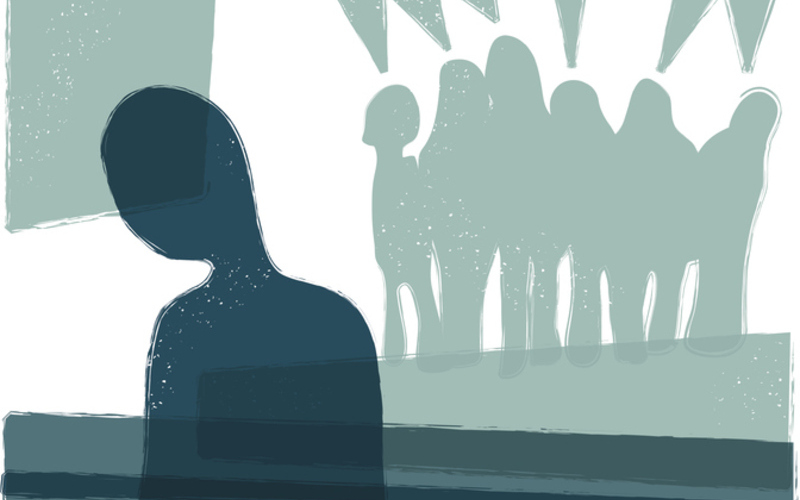
When adults experience anxiety, they typically recognize it for what it is. They notice their heart racing before a presentation, or their mind racing with worries at night. Adults can generally identify these experiences as anxiety and communicate about it. Teenagers often can’t do either. The same conditions can look meaningfully different in adolescents, both […]
How Family Therapy Supports Teen Mental Health Recovery

When a teenager struggles with mental health challenges, the entire family feels the impact. Communication breaks down, tension builds, and parents often feel uncertain about how to help without making things worse. Family therapy is designed to address these challenges and help teens and their loved ones overcome the roadblocks to healing.
How School Pressure Affects Teen Mental Health

Academic pressure affects nearly every teenager, but for some, the stress becomes debilitating. The weight of maintaining grades, preparing for standardized tests, managing college expectations, and competing for opportunities creates a level of chronic stress that begins to affect mental health. What might look like typical teenage moodiness can actually be anxiety or depression triggered by relentless academic demands.